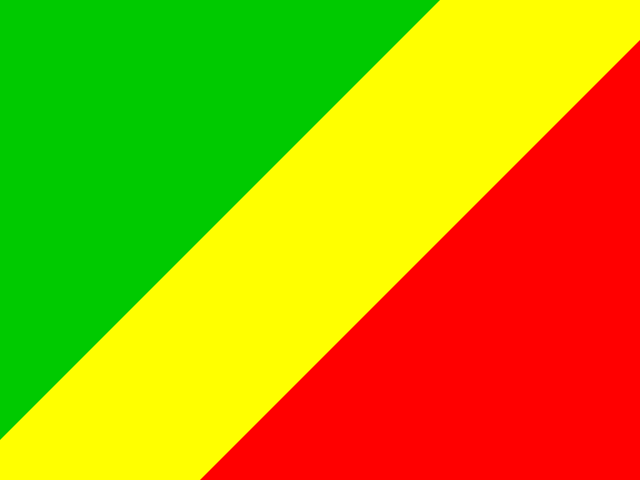
 Congo
Congo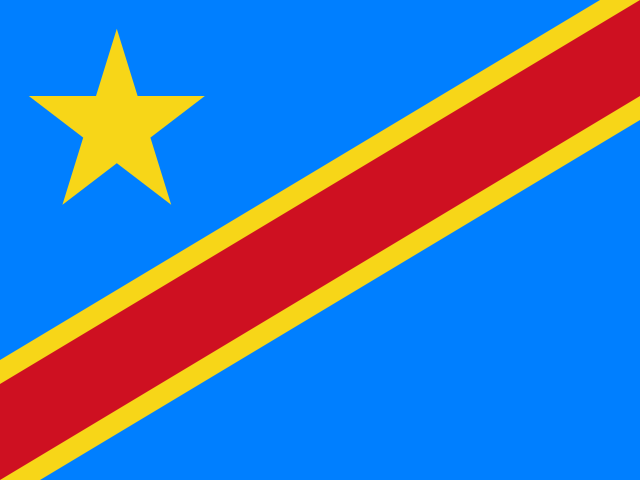 DR Congo
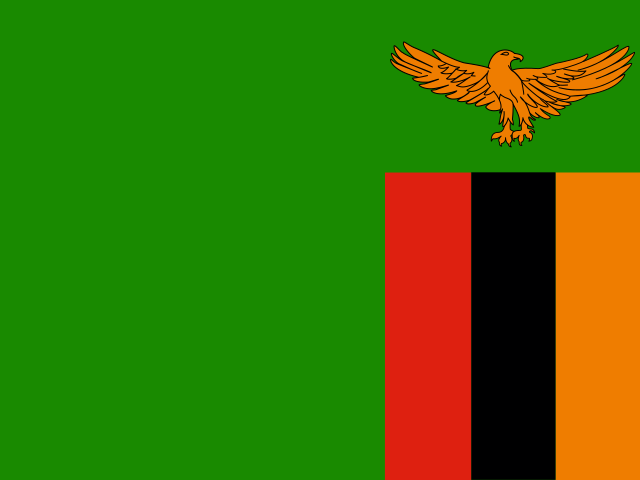 Zambia
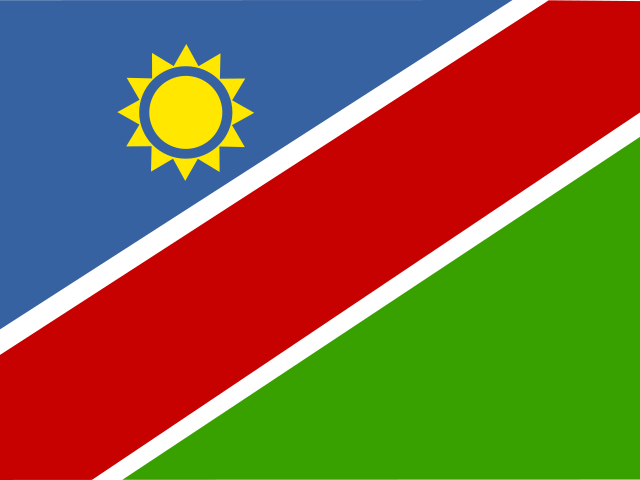 Namibia
Did you know?
- 🛢A nation in Southern Africa with a rich history, vast natural resources (especially oil and diamonds), and a fascinating blend of African traditions and Portuguese colonial heritage.
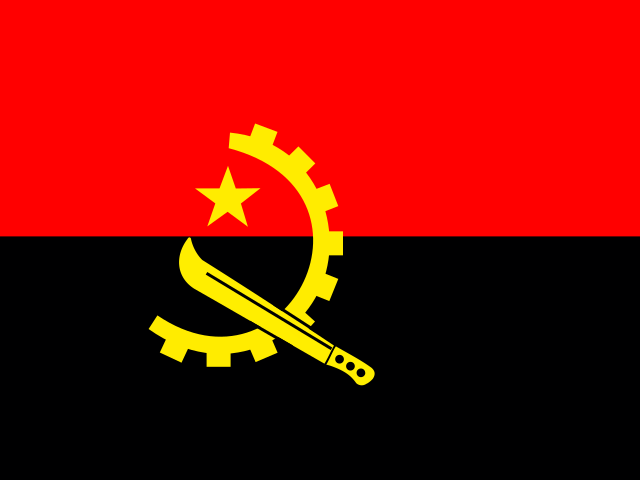
- 🏳️What does its flag mean? The flag of Angola, adopted in 1975 upon independence, carries deep symbolism inspired by socialist ideals and visually echoes Soviet-era imagery. Top red stripe: Symbolizes the blood shed by the Angolan people during colonial oppression, the national liberation struggle, and the defense of their homeland. Bottom black stripe: Represents the African continent and the Angolan people. Central emblem (yellow, symbolizing the country's wealth): Machete symbolizes the peasantry, agricultural production, and the armed struggle. Segment of a cogwheel represents the working class and industrial development. Five-pointed star symbolizes international solidarity, progress, and a bright future.
- 🛢Luanda is Angola's capital and principal port; its recent growth has been closely tied to the oil economy.
- 🎵The birthplace of Kizomba: Angola gave the world the famous, sensual dance known as Kizomba. The musical genre and dance style originated here in the late 1970s, evolving from the traditional Semba style with influences of Caribbean Zouk.
- 🌿A unique living relic: In the Namib Desert within Angola grows an incredible plant — Welwitschia mirabilis. It has only two leaves that never drop, growing continuously and splitting over time due to the desert winds. Some specimens live for over 1,000–1,500 years, surviving entirely on moisture absorbed from sea fogs.
Location
-12.50°, 18.50°
Actual size
Compared to Australia.
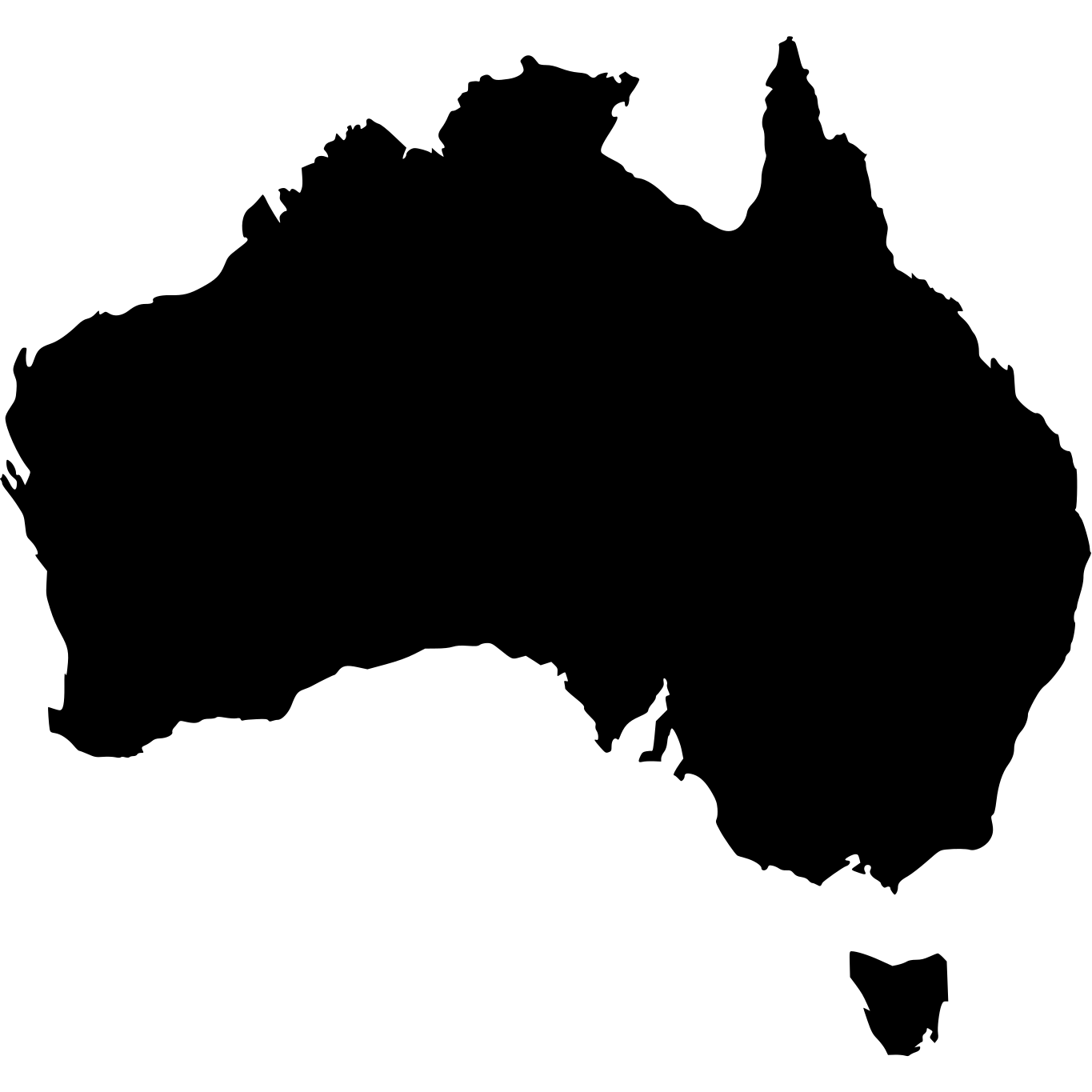
Australia · 7,692,024 km²
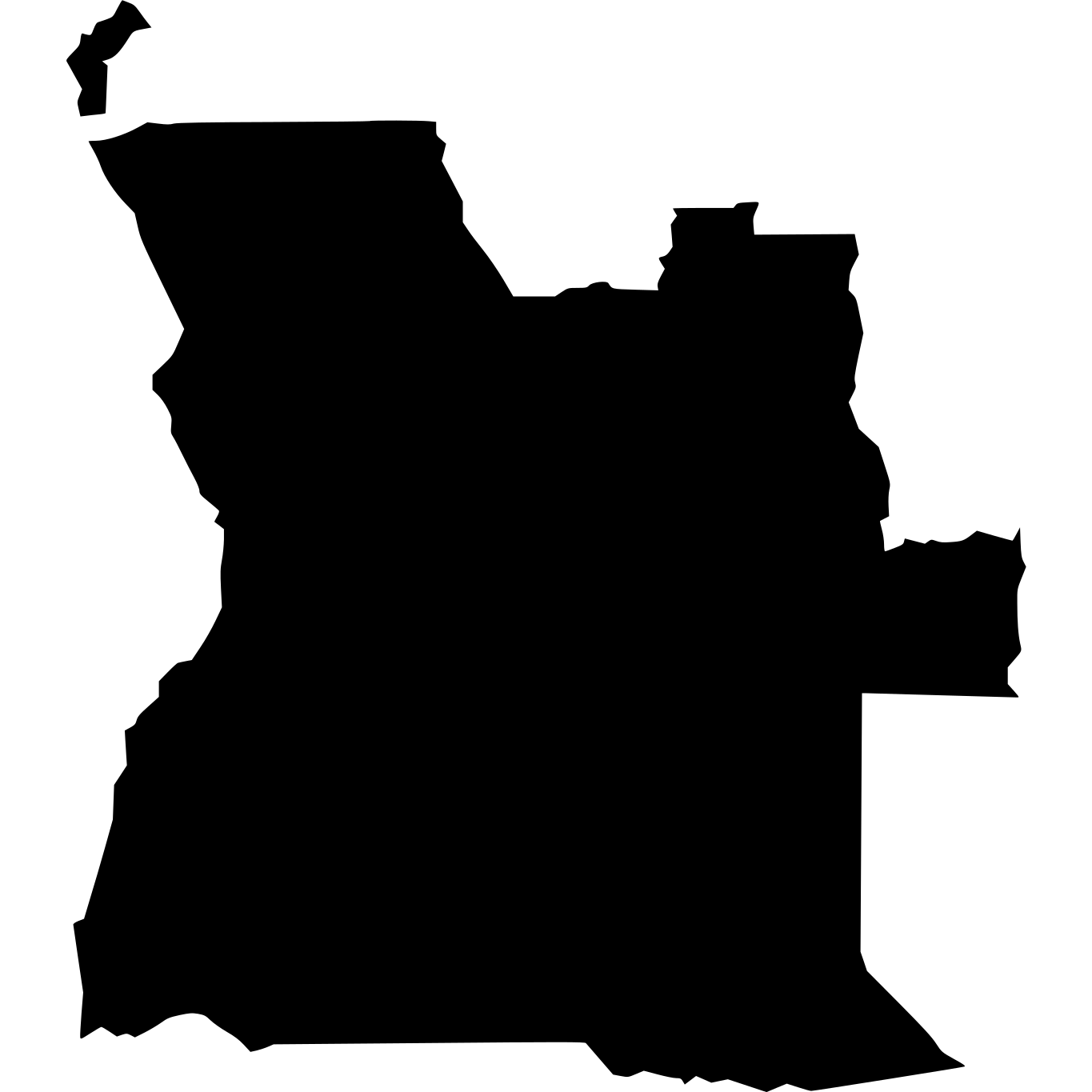
Angola
1,246,700 km²
% of Australia
16.21%