 Guinea
 Senegal
Did you know?
- 🏝A small, Portuguese-speaking country in West Africa, deeply carved by river estuaries and surrounded by pristine, uninhabited tropical archipelagos. It is famed for its matriarchal island societies and massive cashew production.
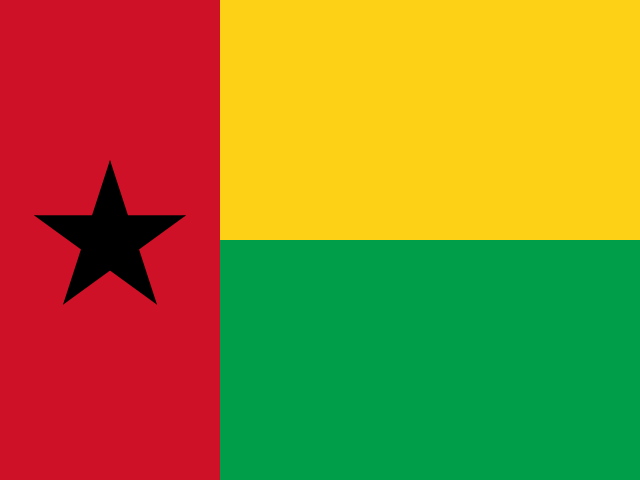
- 🏳️The national flag of Guinea-Bissau, adopted in 1973 upon gaining independence, is based on the flag of the PAIGC liberation party, which spearheaded the struggle against Portuguese colonialism. The vertical red stripe at the hoist commemorates the blood shed by patriots during the war of independence, while representing the country's geographical position on the West African coast. The black five-pointed star symbolizes African unity, the pride of the African people and the anti-colonial resistance movement. The horizontal yellow stripe on top represents the tropical sun, the fruits of labor and the northern savannah plains. The horizontal green stripe on the bottom symbolizes the country's lush southern forests, agriculture and hope for future prosperity.
- 🌰Powered by cashew nuts — Guinea-Bissau is one of the world's leading producers and exporters of raw cashew nuts. Cashews account for over 90% of the country's export revenues, and more than 80% of the population relies on the cashew trade for their livelihood.
- 👑Matriarchy in the Bijagós Islands — just off the coast lies the Bijagós Archipelago, consisting of 88 islands. The native communities on these islands practice a matriarchal social system. Women hold religious and political authority, manage the economy, choose their husbands and build the traditional homes.
- 🌊Ocean-going hippos — the Bijagós Archipelago is one of the very few places in the world where you can find saltwater hippopotamuses. These unique mammals have adapted to swim in the ocean, frequently lounging on the pristine sandy beaches of these sacred islands.
Location
12.00°, -15.00°
Actual size
Compared to Australia.
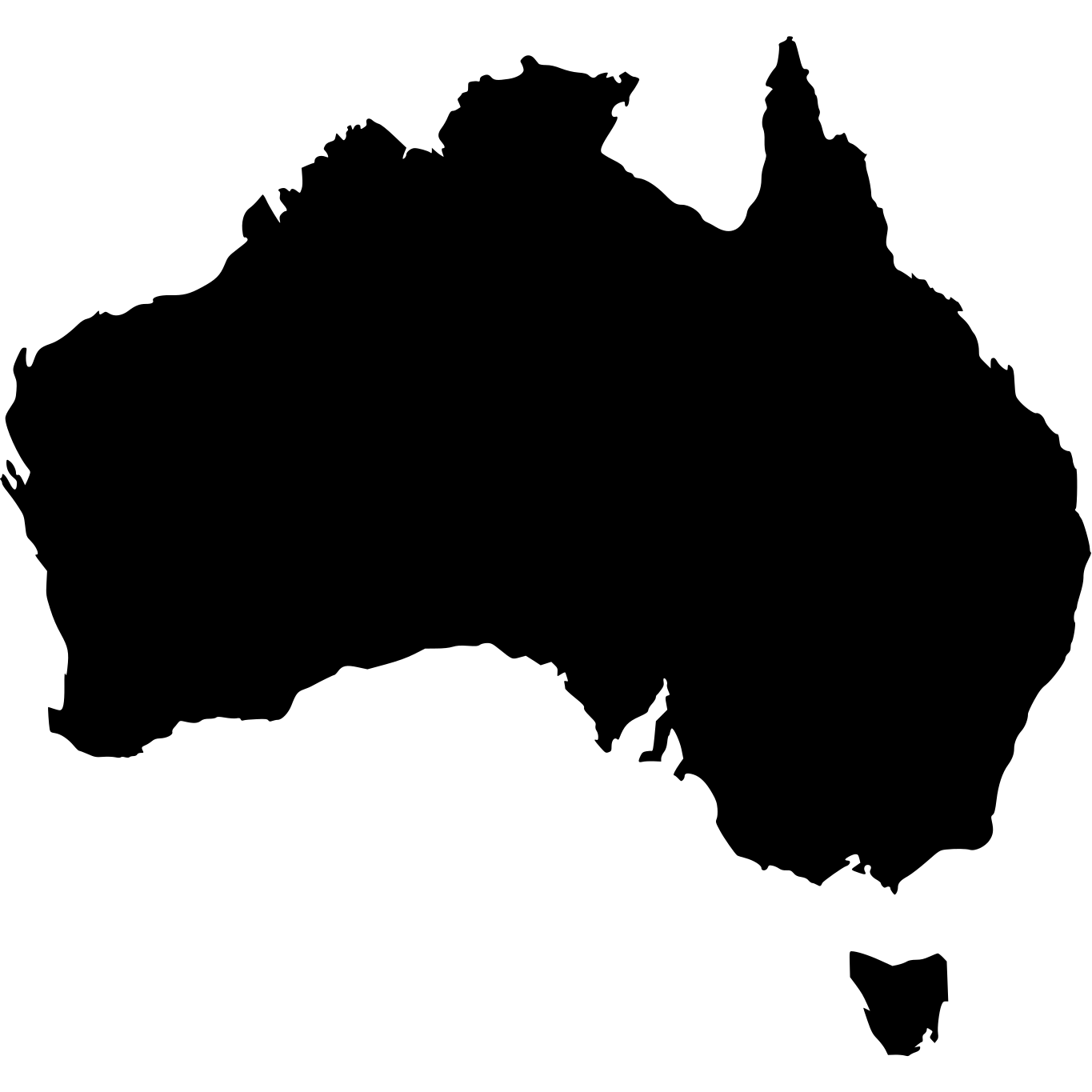
Australia · 7,692,024 km²
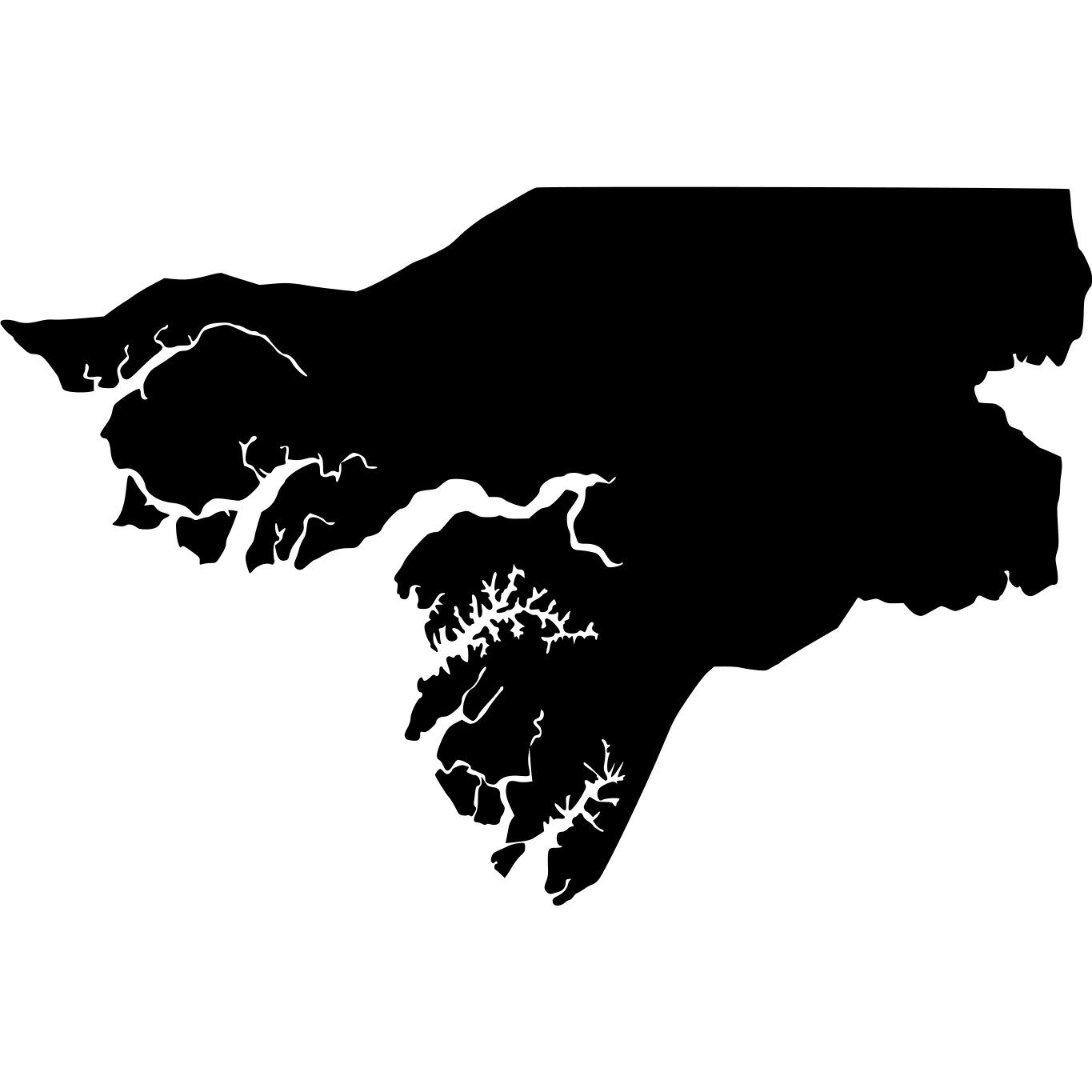
Guinea-Bissau
36,125 km²
% of Australia
0.47%